Welcome


Docusaurus blogging features are powered by the blog plugin.
Here are a few tips you might find useful.
Docusaurus blogging features are powered by the blog plugin.
Here are a few tips you might find useful.
Blog posts support Docusaurus Markdown features, such as MDX.
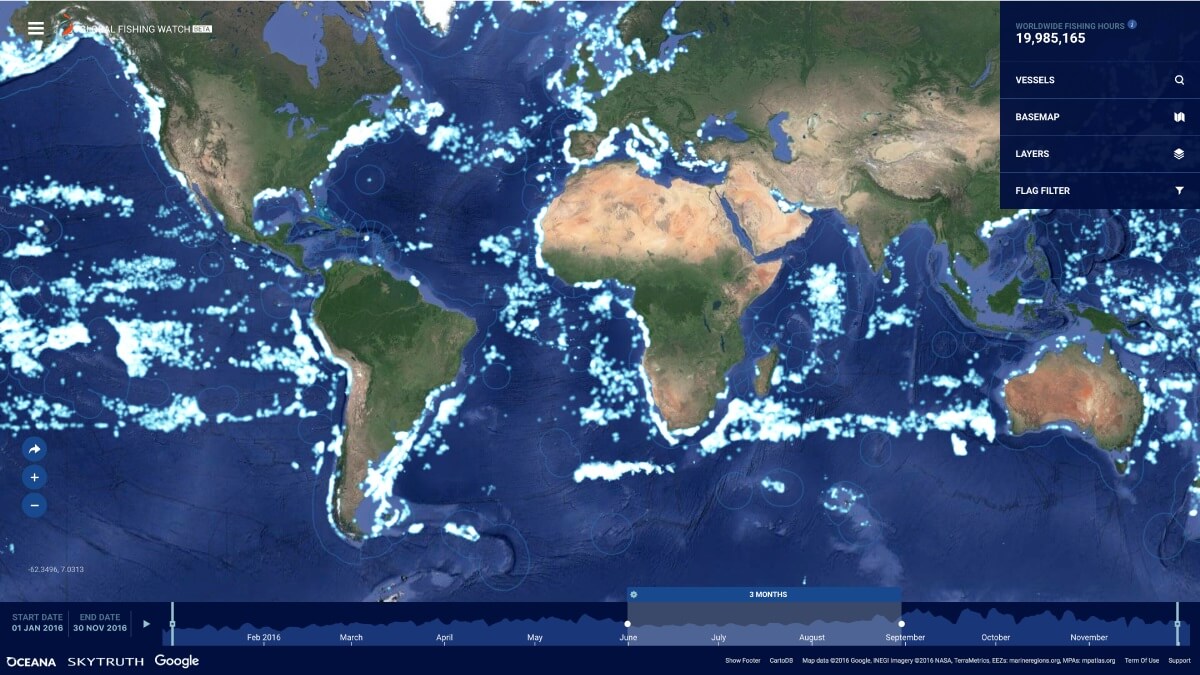
Article originally posted at Oceana.org.
The Transparent Oceans Initiative (TOI) produces and disseminates evidence-based research that documents the activities—and the consequences—of the nations engaged in fishing on the high seas and the distant waters of other countries, so called distant-water fishing (DWF).
Financing a sustainable global ocean economy may require a Paris Agreement type effort, according to a new report from an international team of researchers led by the University of British Columbia.
Globally, lobsters are one of the most economically valuable wild species caught in capture fisheries. Catches are dominated by American lobster (Homarus americanus) landed entirely in Atlantic Canada and northeastern United States. In Atlantic Canada, lobster fishing and marine finfish aquaculture take place in the same coastal waters creating the potential for negative environmental, as well as social, interactions. We review the state of knowledge of environmental interactions between American lobster, their habitat and fishery, and marine finfish aquaculture. We first provide a brief overview of key biological, behavioural, and ecological processes and environmental stressors of American lobster at different life-history stages followed by an overview of the pathways of effects of marine finfish aquaculture on coastal ecosystems in general and on American lobster. Our review found that certain finfish aquaculture-lobster interactions have received considerable study (e.g., chemical use), whereas knowledge of other interactions are either limited (e.g., net pens, waste discharges) or lacking (e.g., disease, noise, lights, and odours). An ecosystem-based approach to aquaculture has been proposed for managing these interactions but implementing this approach has proven to be a challenge in part because of complex multi-sector, multi-stakeholder and multi-agency governance issues. While governance solutions await development, practical measures based on the results of scientific research identified in this review, such as better use of existing oceanographic and bathymetric data, habitat and human impact assessment tools, and toxicity information offer regulators ample information and management tools, at least at the farm- and bay-scale, to avoid negative finfish aquaculture-lobster interactions in Atlantic Canada. Bridging the governance gap will likely require new community-based management models that more effectively identify, generate, and integrate local community and fisher knowledge and concerns.
Originally posted at France24. Click here to view the original article.
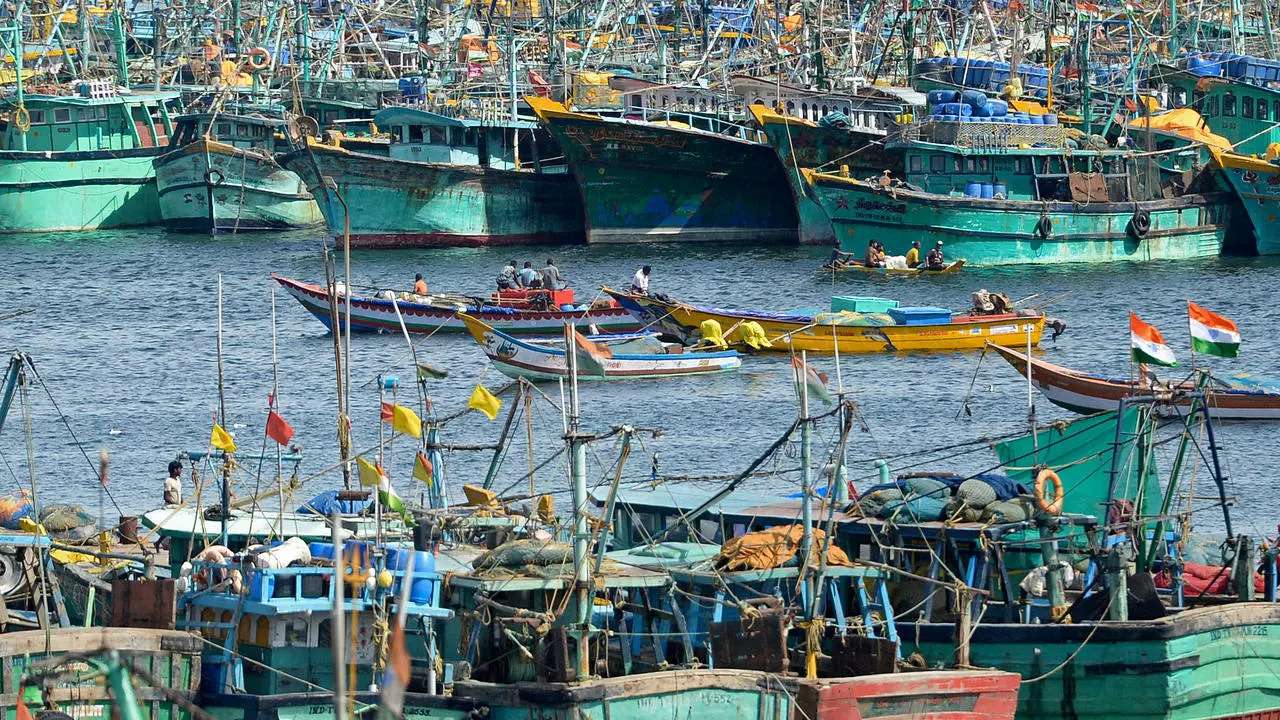
After two decades of talks at the World Trade Organization towards banning subsidies that contribute to over-fishing, the lead negotiator said Tuesday that a deal could be within reach.
The following is an article excerpt from a source outside of OceanCanada and her partners. The opinions stated in the article do not necessarily reflect those of the OceanCanada Partnership or any of her members.
Find the report here.
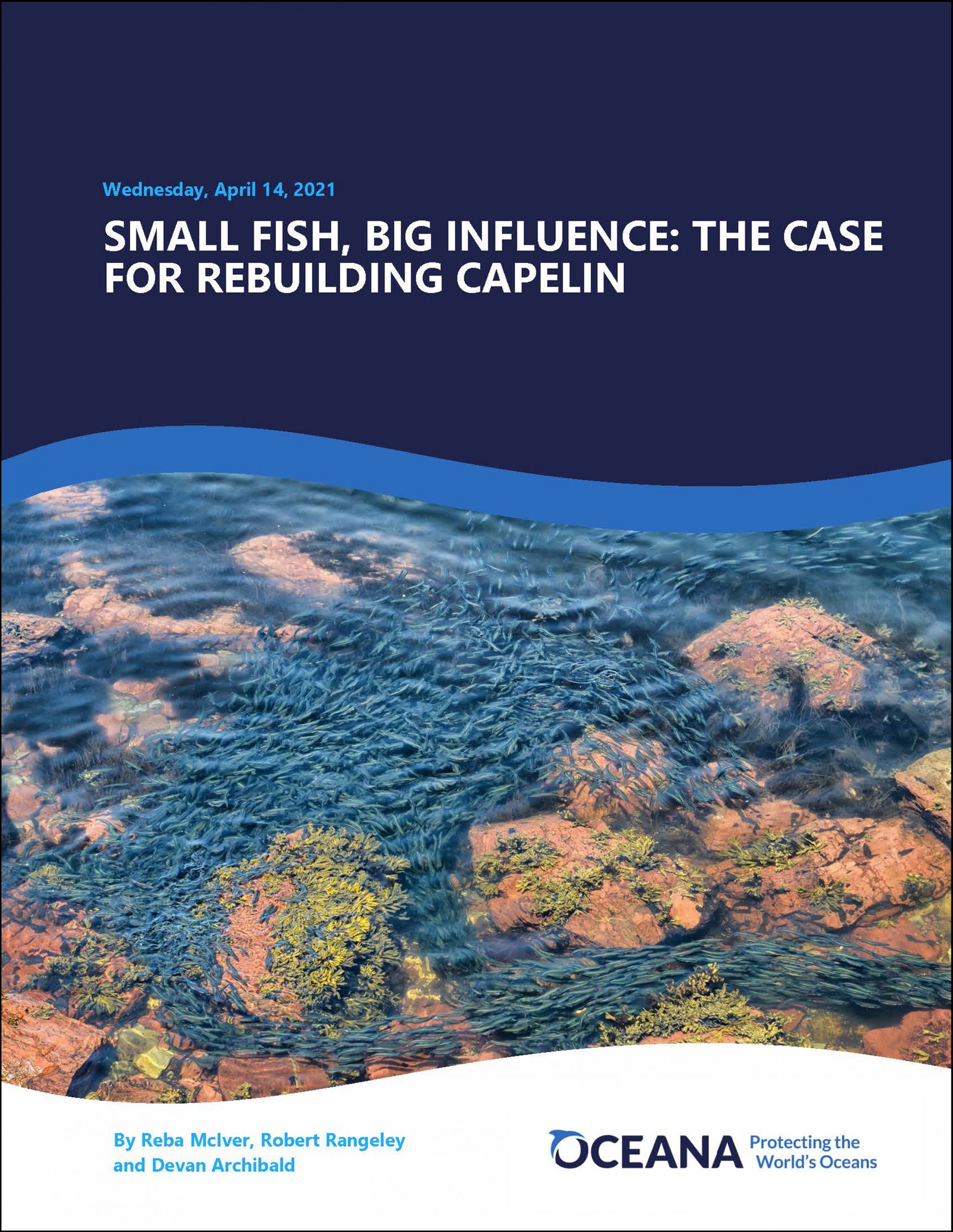
The foundation of Canada’s blue economy is our wild fish populations. Forage fish – the small, schooling fish like herring, capelin and shrimp that feed larger predators – are vital contributors to wild fisheries in Canada. They are targeted directly in fisheries and contribute indirectly as prey to other commercially important fish, like cod, halibut and tuna. While forage fish have large population booms and busts in response to changing environmental conditions, their population dynamics are also influenced by fishing pressure. The most important principle in managing forage fish is that enough must be left in the water to ensure overfishing does not put their populations and their predators at risk.
OceanCanada's Dr Rashid Sumaila, UBC professor and Canada Research Chair in Interdisciplinary Ocean and Fisheries Economics, discuss plastic pollution as Lower Mainland students call on BC's environment minister to ban single-use plastics. You can listen to Dr Sumaila's segment here, or you can check out the full episode at Apple Podcasts.